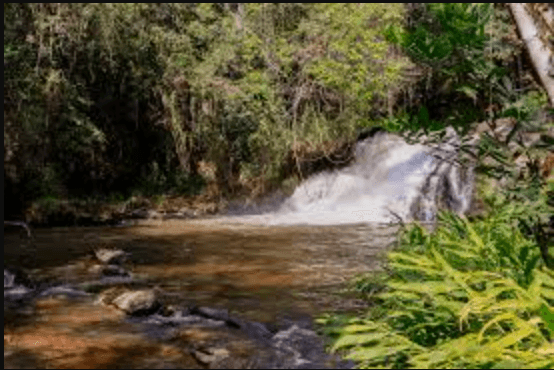
The Dona Florinda Fountain is a natural water source located in Horácio da Silva Pinto Square in Vila Biarritz. Historically important to the local community, the fountain was recently revitalized with modern infrastructure and water analysis confirming its potability. The fountain is named in honor of Dona Florinda Ferreira da Silva, a respected citizen who used the water from the fountain to wash clothes for her entire family.
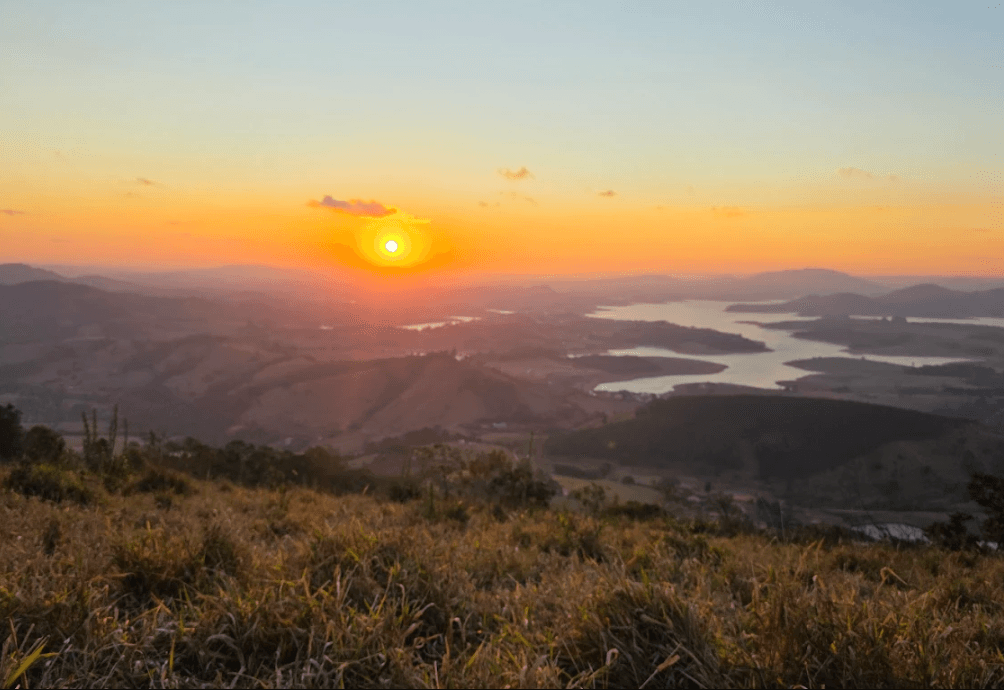
The Boa Vista Water Tower, trail, and viewpoint constitute an ecotourism attraction located on Boa Vista hill, at approximately 1,500 meters altitude. The trail runs for about 5 km through preserved Atlantic forest and passes by the historic water tower, built in 1914, before reaching the viewpoint with a spectacular panoramic view of the city of Piracaia, reservoirs, and neighboring mountains.
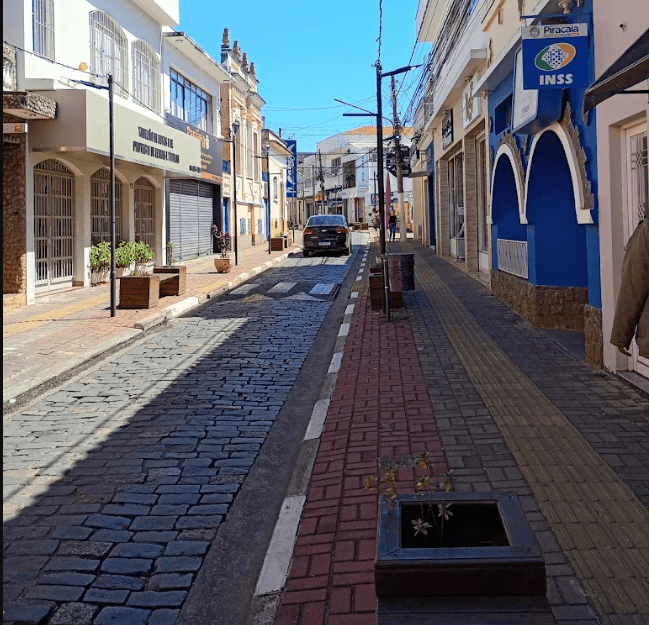
The Tetê Brandão Promenade is a public space for socializing and strolling in the heart of Piracaia's historic center, located on Rua Marechal Deodoro. Recently revitalized, the promenade offers accessibility for the public, good lighting, and ample space for pedestrian movement. The space is named in honor of Caetano Carvalho Brandão (Tetê Brandão), a respected citizen who contributed significantly to the local community.

The José Bonetti Artisan House is a space dedicated to the preservation and promotion of traditional handicrafts from Piracaia. Built with an ecological structure using bamboo and recycled plastic materials, it is one of only two examples of a sustainable Artisan House in the state of São Paulo. The place offers a diversity of quality handicrafts, including macramé, embroidery, bamboo and woodwork, textile art, and metal pieces. It also functions as a tourist information center.

Colonial mansions, a main church, and tree-lined squares make up the charming historic center of Piracaia, with cafes and craft shops from the coffee-growing era.

The Farmers' Market is a weekly rural tourism event that promotes small and medium-sized local producers in Piracaia. Held every Friday from 4 pm at Nossa Senhora do Rosário Square, the market brings together approximately 20 producers offering fresh products directly from the producer, including vegetables, fruits, artisanal breads, coffee, dairy products, honey, flowers, and other regional products.
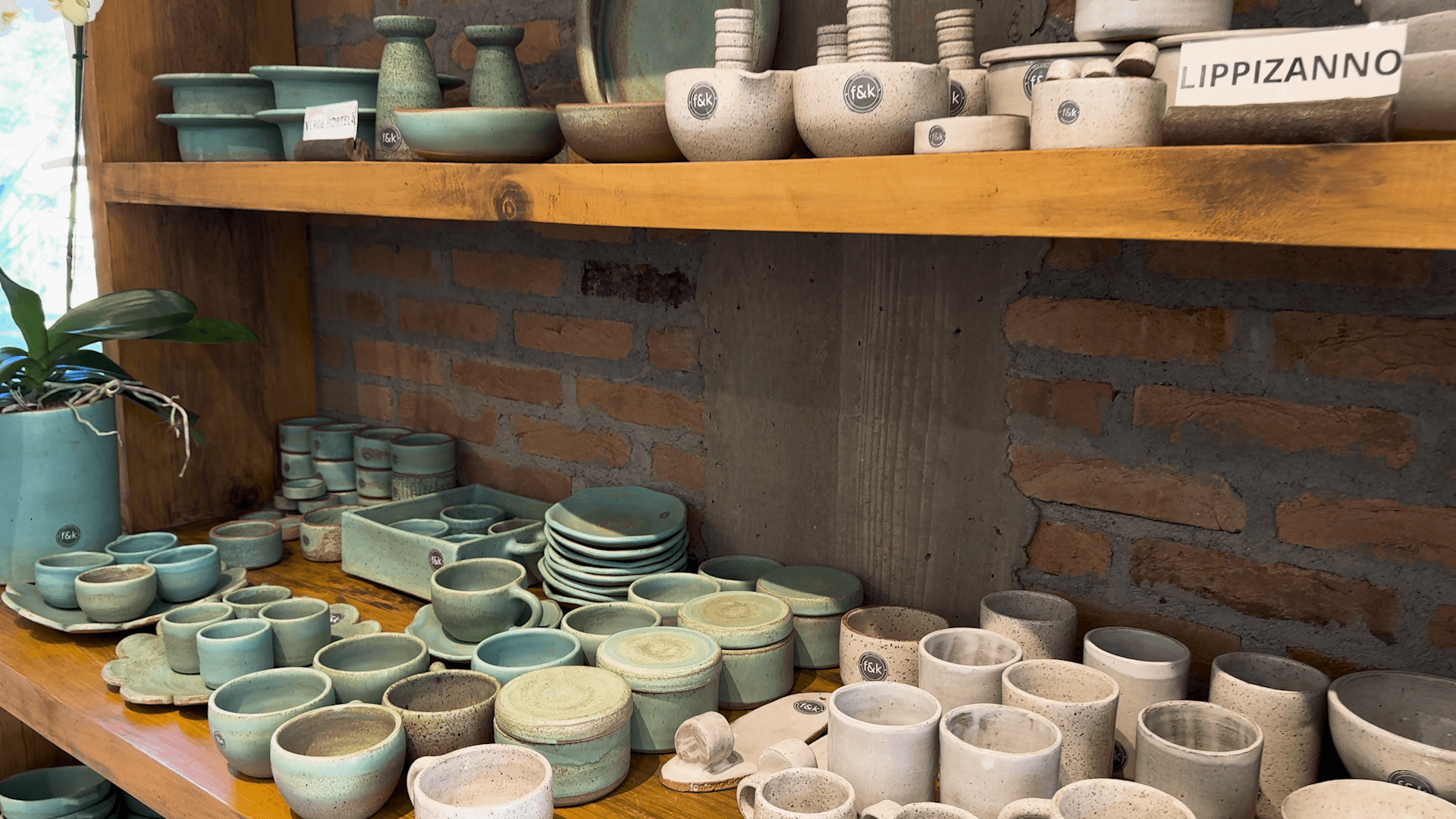
Fontoura & Kiehl Cerâmica is an artisanal company founded in 2012 dedicated to the production of high-quality, durable ceramics. The company has a new complex in Piracaia with a studio, shop, professional kitchen, and space for events and training. It offers a Ceramics School with courses and workshops in different techniques: hand modeling, potter's wheel, painting at different temperatures, glazing, and intensive courses. Pieces are used by major national hotel and restaurant chains.
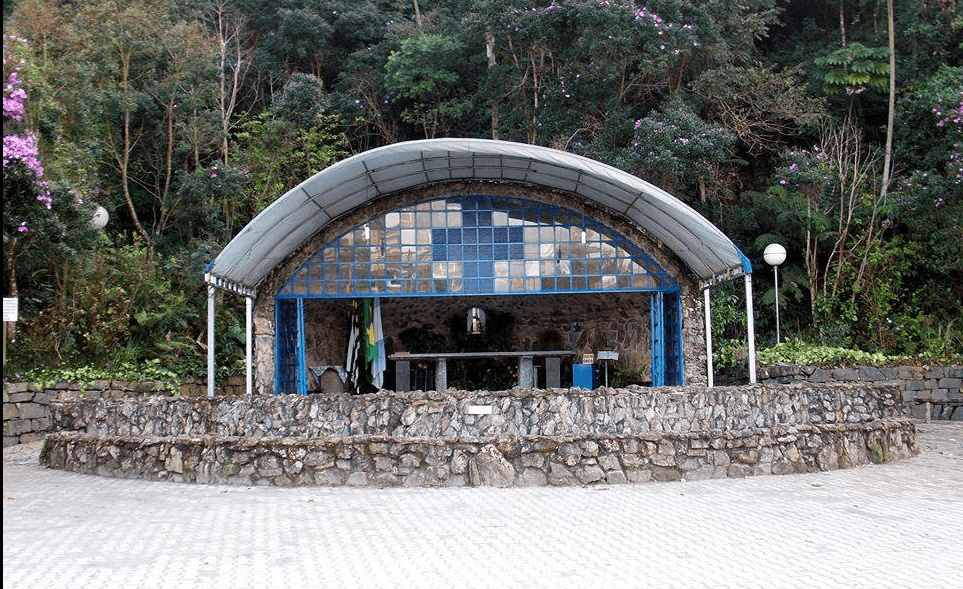
The Grotto of Our Lady of Aparecida is a space for religious devotion built in 2004 at the foot of the Holy Cross of Piracaia. Located on Avenida Beira Rio, the grotto was built on municipal land by the initiative of the hiking group 'Pé na Estrada' with the aim of creating a suitable place for prayer and contemplation for pilgrims on their journey to the Sanctuary of Aparecida. The grotto is especially famous among those who travel to Aparecida in search of spiritual blessings.

The Church of Our Lady of the Rosary is an important cultural heritage site in Piracaia, built between 1839 and 1870 using the rammed earth technique. Located in Rosário Square in the city center, the church was built to shelter Christians who, during the colonial period, were forbidden from attending the main church. The name honors Our Lady of the Rosary of the Blacks and Saint Benedict, saints greatly venerated by enslaved people.
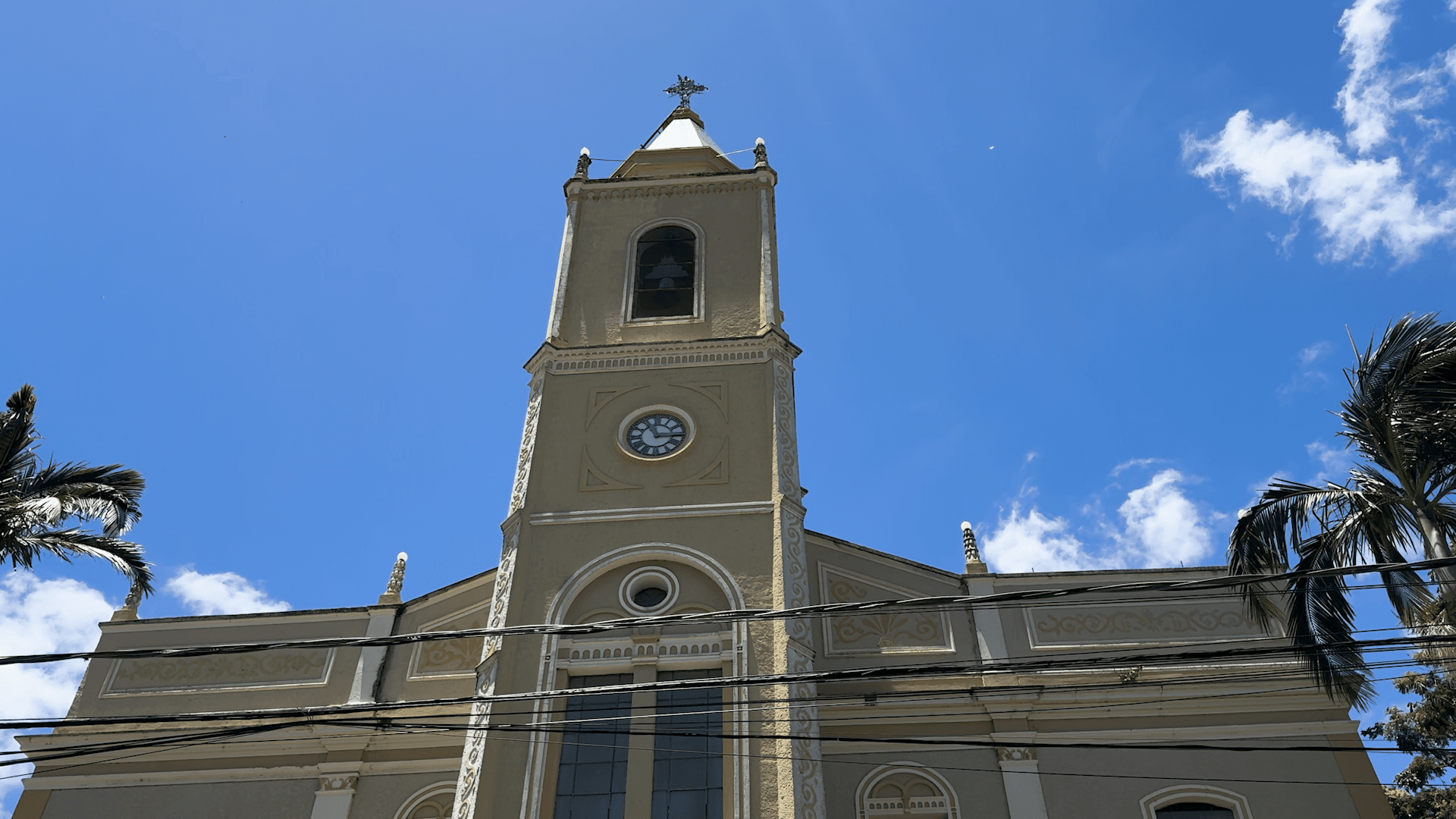
Built in 1884, the Santo Antônio da Cachoeira Parish is one of Piracaia's great historical treasures. Beyond its religious importance, the church holds a unique detail: on the ceiling are portrayed, one by one, the 266 popes in the history of the Catholic Church, from Saint Peter to Pope Leo XIV.

The Piracaia Municipal Ecological Park is a recreational and environmental preservation area located in the Jardim Santo Afonso neighborhood, near the city center. The park offers various structures and activities for visitors, including a lake for recreation, a running track, a children's playground, a plant nursery, and an orchid garden. It is an important space for environmental education activities, sports, and family leisure.

The Vila Biarritz Municipal Park is a leisure and recreation area located in Horácio da Silva Pinto Square in the Vila Biarritz neighborhood. Opened in 1996, the park offers various activities and infrastructure for visitors of all ages, including a skate park, a kiosk with a barbecue grill, a playground, a running track, a bike path, an outdoor gym, and a beautiful lake where fishing is permitted. Recently revitalized, the park is an important space for community interaction.

Piracaia is a municipality of tourist interest located in the interior of São Paulo state, just 90 km from the capital, situated in the Serra da Mantiqueira region. The city is known for its tourist vocation based on religious tourism, ecotourism, trout farming, and traditional handicrafts. With a pleasant climate and an average temperature of 24°C, Piracaia offers an ideal environment for outdoor activities, ecological trails, and visits to historical churches of national importance.

The second reservoir that forms part of the Cantareira complex, offering a natural setting with trails around it, access for fishing, and ecotourism activities. It has two adjacent waterfalls (Cachoeira D. Gabrão and Cachoeira de Piracaia).
The Atibainha River Route is a tourist route of approximately 50 km that crosses one of the most beautiful stretches of the interior of São Paulo. The route passes by the Piracaia and Nazaré dams, continuing through the neighborhoods of Pião and Rio Acima, offering direct contact with nature, various types of rural properties, and access to important natural attractions such as Pedra do Carmo. It combines paved and dirt roads, ideal for nature and adventure tourism.

The Holy Cross of Piracaia is considered the largest perpendicular crucifix in the world, measuring 14 meters in height and located at approximately 1,000 meters altitude. Inaugurated on July 14, 1946, after being sculpted in cement by the architect José Bonetti, the monument is one of the main tourist and religious attractions of Piracaia, accessible via a staircase with more than 590 steps. It has a beautiful view of the city, a space with a large playground and an excellent bistro restaurant.

Tour da Roça is an annual cycling tourism event that takes place in Piracaia and other cities in the interior of São Paulo state. The event offers various routes for cyclists of different levels: Light (9 km, ideal for families), Sport (27 km, intermediate), and Challenge (40 km for experienced cyclists). With the motto 'the fun begins when the asphalt ends', the event combines cycling adventure with direct contact with the rural landscape, local communities, and natural resources of the region.